Be yourself; Everyone else is already taken.
— Oscar Wilde.
This is the first post on my new blog. I’m just getting this new blog going, so stay tuned for more. Subscribe below to get notified when I post new updates.
Be yourself; Everyone else is already taken.
— Oscar Wilde.
This is the first post on my new blog. I’m just getting this new blog going, so stay tuned for more. Subscribe below to get notified when I post new updates.
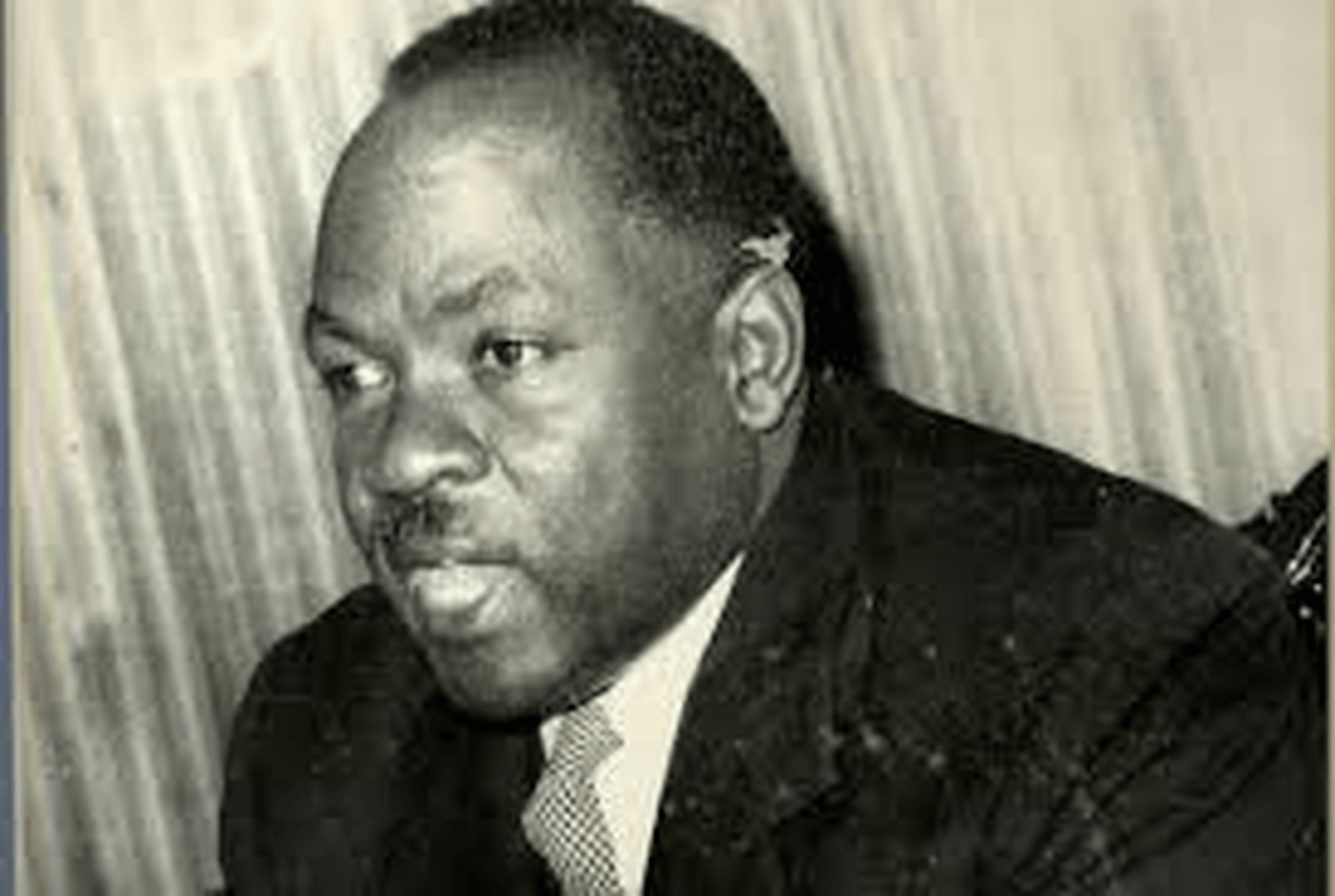
Idi Amin faced Benedicto Kiwanuka and pulled a pistol from around his waist. “Don’t you think I can kill you?” Amin asked. Kiwanuka, with no fear in his eyes, replied “You can but I’m not going to say anything at all. I will die with the truth”. Then Amin pulled the trigger.
This is how it was narrated by Daniel Mulemezi, a police detective who tried to investigate the disappearance of Benedicto Kiwanuka. Mulemezi said this for the first time in October 1988, as a witness to the Commission of Inquiry which was investigating the Violation of Human Rights in Uganda between 1962 and 1986.
Mulemezi told the commission that this information was from a trusted source—an intelligence officer in the Uganda Army. His name was Odwori Okoth. According to Okoth, Amin is the one who took the shot that ended the life of Ben Kiwanuka, a man he, himself had appointed as chief justice the previous year.
What truth did Benedicto die for?
If there was any good blood between Benedicto Kiwanuka and Amin, it never lasted that long. Amin freed all political prisoners when he became president. Benedicto Kiwanuka was among the Beneficiaries. Kiwanuka along with other detainees, as a sign of gratitude, organized a huge rally at Nakivubo Stadium to show support to the president, Idi Amin. Benedicto went ahead to try to convince the Organization of African Unity to recognize Amin as a president. He wrote to them and told them that Amin had the support of the Ugandans.
He became an advisor to the president and was appointed as the Chief Judge, a position he reluctantly accepted, according to his wife, Maxencia in an interview with Drum Magazine in 1980. She added that Benedicto only accepted this role after persuasion from his colleagues who insisted that he was the only one with the qualifications to be in that position.
She went ahead to indicate that Kiwanuka and Amin were never really “friends”. Why? Benedicto Kiwanuka’s popularity. It was not received well by Amin. Benedicto Kiwanuka was getting very popular and in some cases even commanded more respect than the president. Amin and his people started seeing Kiwanuka as a potential political opponent and started plotting ways of dealing with him.
As a chief Justice, Benedicto was a man who stood for the truth. He courageously spoke against the extrajudicial Killings by the regime—which obviously angered the regime and created tension between him and the executive arm.
Benedicto’s last days started with the arrest of Daniel Stewart, a British businessman who had been detained on the orders of Idi Amin. The British High Commissioner reached out to the Judiciary but no judge wanted to take on this case. They feared it. The commissioner then reached out to the Chief Justice, Ben, who agreed to take on the case against the advice of some of his colleagues. Kiwanuka went ahead and released Daniel Stewart, and wrote to the military that they had no business arresting a civilian. He asked them to stop interfering with the work of the judiciary.
The threats to end his life started almost immediately after this. He started receiving late night calls threatening him. One notable call was from Amin himself. Amin said “Who is greater? The president or the Chief Justice? Why did you say that we do not have the authority to arrest the British?” Benedicto Kiwanuka tried to explain to the president but Amin hang up before the explanation was complete.
You’d expect that the next move Kiwanuka should have taken after this call was to reach for his passport, run to the British Council and ask to be allowed into Britain. No. That wasn’t him. He was anything but timid. According to his wife Maxencia Zalwango, Kiwanuka was the type that could not run away. He was a man of exceptional courage and he was immune to any threat. “You could say he was a kind of Spartan when it came to anybody trying to challenge or deflect him from what he considered to be a moral duty.” She said. “He would rather die”
She recalled her husband saying “Sooner or later somebody has to die for a noble cause in this wicked world. If Amin kills me, somebody will take my place. But nobody will do unless someone sets an example first. We can’t afford other people to undertake a moral challenge when we can ourselves. If I die I will have played my moral part,”
A few days after the phone call from Amin, on the 2ost of September 1972, Ben called Paul Kawanga Ssemwogerere who was his close friend to meet him in his office. As narrated by Ssemwogerere to the judiciary insider magazine, Ben was clearing his desk when Ssemwogerere walked in. Ben said that he was no longer the chief justice and that he sensed that something bad was about to happen. Ben handed over a briefcase with his land titles to Ssemwogerere. He instructed that they are given to his wife in case something happened to him. The following day, September 22 at 8:15 am, Kiwanuka was forced into a car by a gang of men and driven away at top speed. He was never seen again.
The government released a statement, saying that they had nothing to do with the disappearance of Benedicto Kiwanuka and that they suspected that he had been kidnapped by some guerillas who had been seen around his chambers on that day.
Some of Mulemezi’s sources reported that Benedicto could have saved his own life if he had made a public statement, as directed by Amin, that he had been abducted by guerilla rebels. Benedicto refused to do this. He stood for the truth.
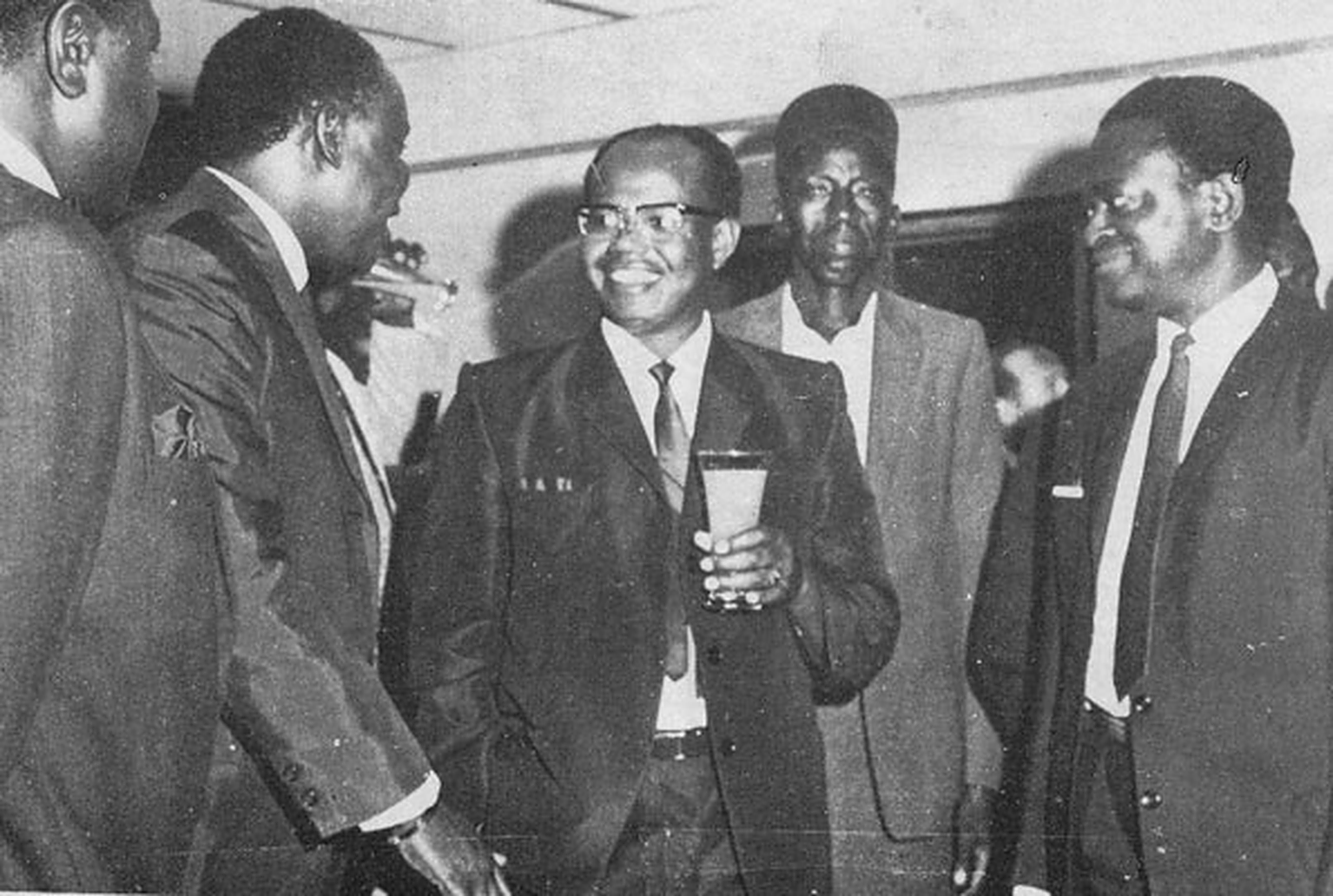
On the morning of January 11th 1973, Shaban Nkutu, a former minister by this time, was attacked at his office on Scindia road in Jinja. Amin’s troops tried to force him into the car trunk in broad daylight which attracted the attention of the masses, some of whom were his supporters. They put up a fight but later ran off when gunshots were fired. Nkutu was taken away to Jinja Central Police station and later to the dreaded Gaddafi Army Barracks.
Three days before this, on the 8th of January 1973, Nkutu had been called into a meeting at a place called Baitambogwe on Jinja-Iganga Rd by some of his cousins and brothers What they discussed with him was not new. No. It was about the same old recurrent threats that Nkutu had kept getting from the armed forces of General Amin. Nkutu had, however, decided against leaving the country, fearing that Amin would massacre his people, just as he was doing with Obote’s loyalists that were in the country.
Nkutu had even been offered a chance to step on a private plane by the Madhivani. According to his son, Conrad, the directors of Madhivani group sent their personnel manager to this meeting with instructions to drive him to kakira, hide him and put him on a private plane the next morning, an opportunity he also turned down. In this meeting with his brothers, he was warned that his life was in danger. Despite the impending doom, he decided to stay put to protect his people and more importantly, his family. He insisted that he was innocent of any crime, that it was unfair to create so many widows and orphans to save one person—himself.
Nkutu was not the only minister that was being witch-hunted by the Amin Regime. About seven of ministers in the ousted Obote’s gov’t had already been killed by the time he started receiving these threats. Most of these were killed after the failed attack on Idi Amin’s government in 1972 by Obote and his loyalists. Amin started killing people he thought had ties with Obote.
Why was Amin going after Nkutu? His close ties with Obote? Probably. Nkutu and Obote had very close ties. They were very close friends right from childhood. They both studied at Busoga College Mwiri. Nkutu proceeded to Kibuli and then to Makerere University College (present-day Makerere University) where he became a teacher. He would later join the Uganda National Congress and then the Uganda People’s Congress. In April 1962, he stood and won the election to represent Busoga South East constituency in the parliament. Shortly after this, he was assigned additional duties by Obote. Nkutu served in various positions in the government. His most notable achievements, however, came when he was the minister of health (1966-67) and Minister of Works, transport and communication (1967-71)
There are not many ministers in Uganda’s history that have managed to achieve half of what Shaban Nkutu achieved in his ministerial career. From overseeing the building of Twenty-one (21) regional referral hospitals to building a functional health system as health minister. He continued to build the nation as minister of works, transport and communication, laying the foundation for multiple projects. These included;
Nkutu’s work was not limited to the projects above. This is less than half of the full list. He fathered numerous other projects. Actually, he oversaw most of Uganda’s post-independence infrastructural development.
Nkutu had done his part to try to get away from public life by starting out a quiet private business in his hometown after the coup that saw Obote lose his presidency—but this was not enough. After the that fateful January day, Nkutu was not seen again by his family for 32 years.
In the Gaddafi Barracks, Nkutu was shot in the head. Amin initially directed that he is thrown into the Nile, but the body showed up at the river banks. The locals identified the body as Nkutu almost immediately. Security forces were notified and hurriedly took the body to Jinja Hospital mortuary. He was then taken and Buried in the Mailo Mbiri Cemetery with five other bodies in one grave. There was a lot of talk and pressure after the death Nkutu that Amin called a presser to explain himself, something he seldom did after extrajudicial deaths. He told the nation that Nkutu had escaped to Tanzania and that there was a huge prize for whoever found him. Everyone knew this was a lie. Everyone new Nkutu was dead.
Joshua Kibedi, Nkutu’s nephew, who was Uganda’s foreign minister at this time was in Ghana on state duty. On hearing the news of his uncle’s death, he resigned and fled to the United Kingdom. It’s from there that he denounced the Amin regime and accused them of his Uncle’s Murder.
For the next 32 years, Nkutu’s family hurt from the loss of their loved one, but even more from not being able to give him a dignified send-off—a sendoff he rightfully deserved for his distinguished service to his nation.
In early 2004, by pure coincidence, one of Nkutu’s family members met one of the gravediggers that had buried Nkutu. In October 2004, Nkutu’s remains were exhumed and identified by pathologists; Dr Wabinga and Dr Odida. In February 2005, Nkutu was given a state funeral in his hometown, Busesa.
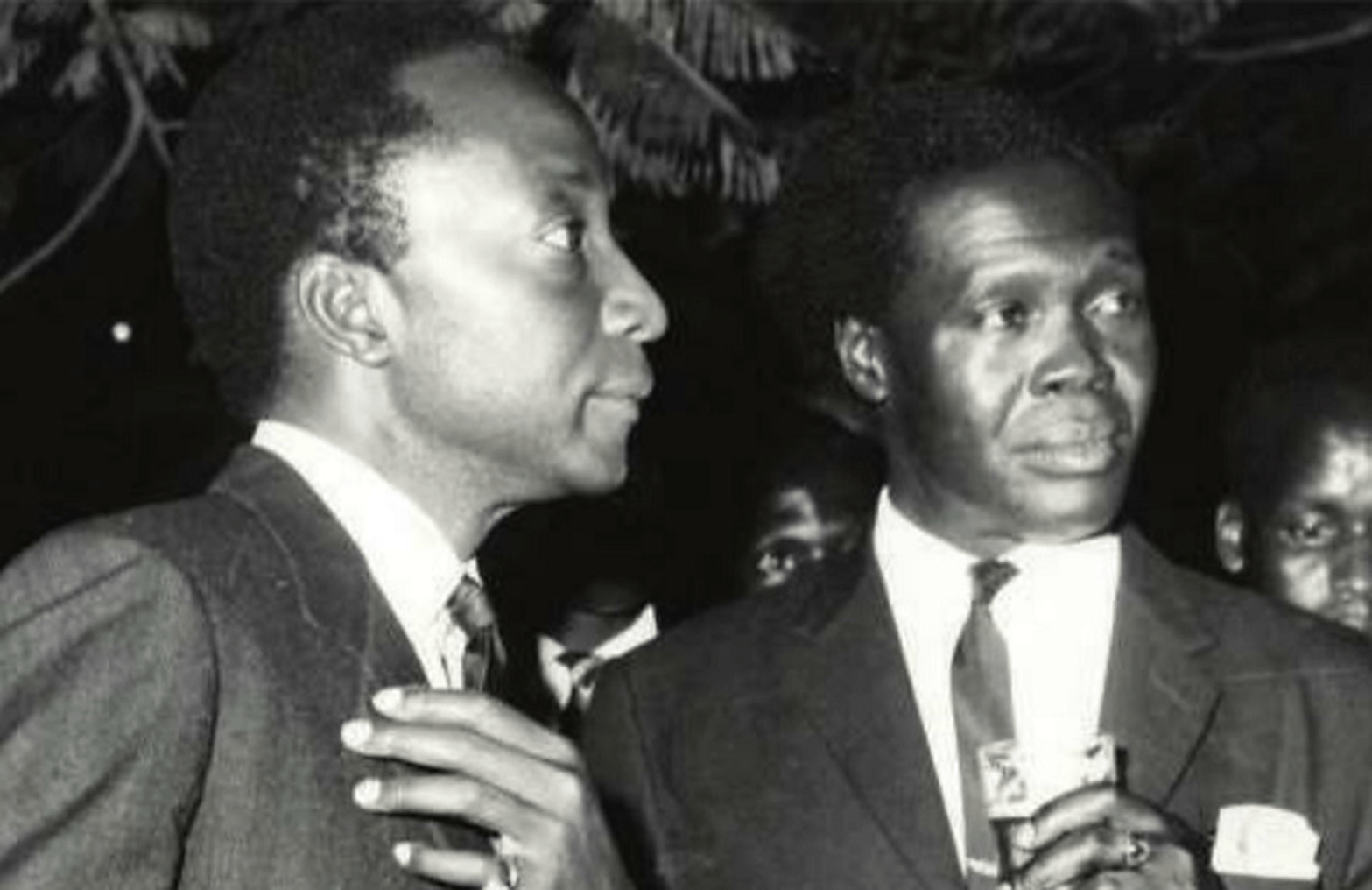
Prior to independence, the strongest political parties were the Democratic Party and the Uganda People’s congress. Immediately before the 1962 elections the Baganda hurriedly formed the Kabaka Yekka Party in order to advance Mengo’s political interests.
Kabaka Yekka would later form a coalition with Uganda People’s Congress to win Uganda’s first election. Milton Obote, the leader of the UPC became the Prime Minister and a year later nominated Kabaka Muteesa II as president, a largely ceremonial position at that time.
However, this collaboration between the Kabaka of Buganda and Milton Obote did not last long. In 1964, Obote Championed a parliamentary bill that led to the loss of the two counties Buyaga and Bugangayizi from Buganda back to Bunyoro. The relationship between Buganda and the central Government soured. Obote became paranoid with Buganda and ordered the army to react with maximum force to anything he perceived as a gesture of opposition from the Baganda.
Tensions kept rising between Mengo and UPC. Obote was becoming more and more dictatorial amidst all these pressures. Buganda was making demands after demands—one of which was to let Buganda become independent from Uganda. This is probably what made Obote lose his cool. In February of 1966, Obote suspended the prevailing constitution. In March the same year, he sacked the President and the Vice President and assumed all powers of the presidency.
In April, surrounded by troops in a parliamentary sitting, a new constitution which had not been seen prior—or even debated on by Parliament was adopted. This came to be known as the pigeon hall constitution because copies of it were just placed in the pigeon halls of the MPs for them to pick up and read.
Buganda kept pressing hard. In May 1966, Buganda asked the central government to vacate the “Buganda soil”. It is also speculated by Obote loyalists, that during this time, the Kabaka was collecting arms to fight against the central government. In an interview with the weekly observer, the late Godfrey Binaisa, who was the Attorney General during this time, claimed that: “It all started when Obote sent his police to find out about weapons that had been brought by the Kabaka into the palace. The Kabaka had his own personal guns– but these were guns for fighting; he wanted to throw out Obote. He wanted to become the real president because he was almost ceremonial. That is when Obote realised that he (Kabaka) wanted to take his seat.
This was the tipping point. On May 24th 1966, Obote ordered his army, under the command of Idi Amin to attack the Palace of the Kabaka. Thousands were killed. The Kabaka was able to escape and find his way to Britain, where he would die 3 years later, in 1969 under unclear circumstances. The following year, 1967, Obote imposed a new constitution where he abolished all kingdoms and made himself president without an election.
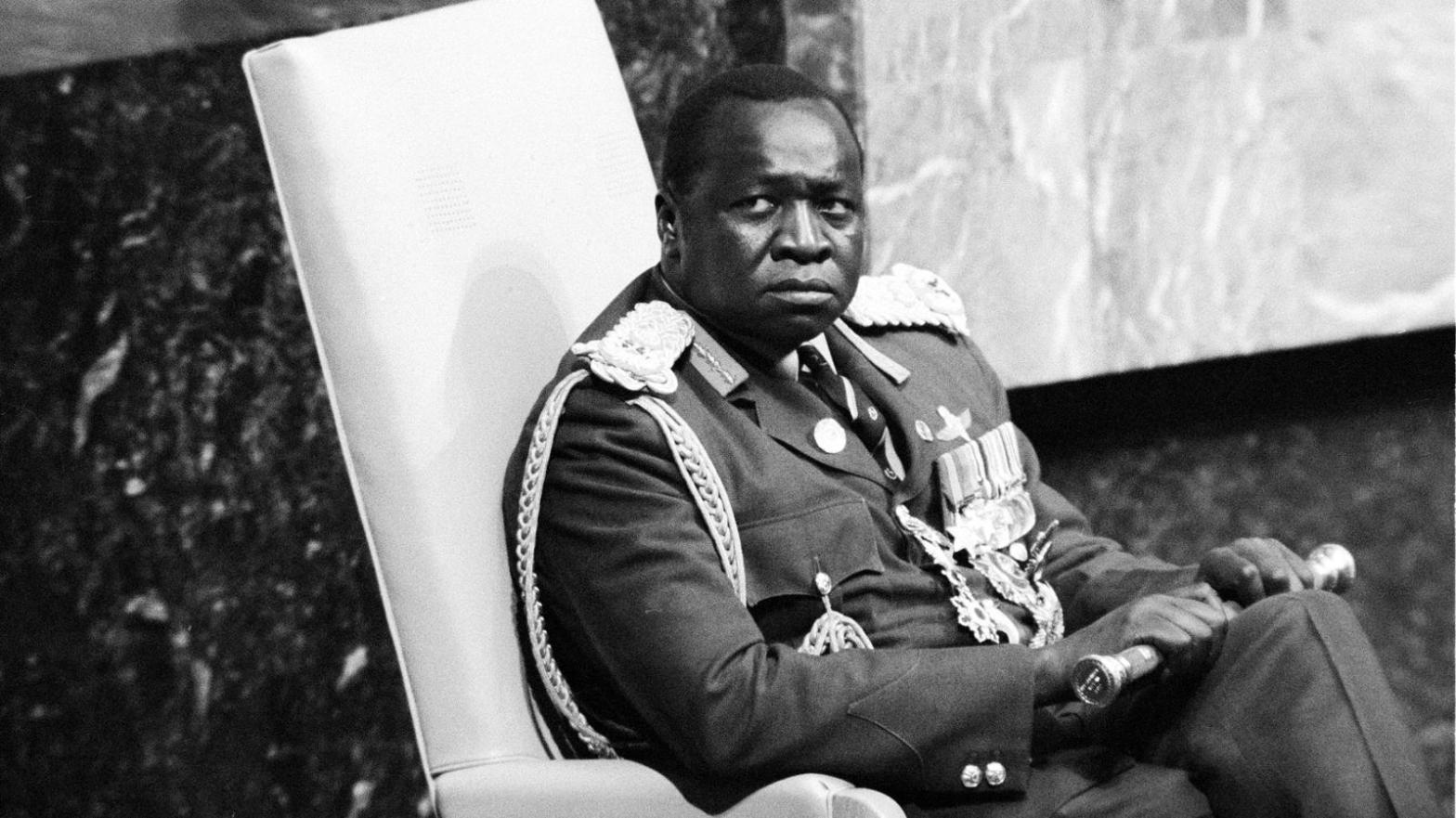
Amin had a dream in August 1972. “I have dreamt,” he told a gathering in Karamoja, northeastern Uganda, “that unless I take action, our economy will be taken over. The people who are not Ugandans should leave.”
He left Karamoja by helicopter and stopped at the Tororo airstrip in eastern Uganda. He had sent word that he wanted to address the army. There, he announced the dream again to a hurriedly organised parade by the Rubongi military unit. Some Asians were thrown into a panic. Others thought Amin was bluffing.
But Idi Amin meant every word. Ugandan-Asians had to leave in 90 days
The Asians had to make arrangements and hand over their business interests to their nominees. The arrangement among most Asian families was that one would be a Ugandan, another Indian, another British. So the non-Ugandans transferred their businesses to the Ugandans.
Colonial Uganda had strongly favoured Asians. Many arrived with the British colonialists to do clerical work or semi-skilled manual labour in farming and construction. They had a salary, which became the capital to start businesses.
Aspiring Ugandan entrepreneurs on the other hand faced many odds. The British colonial government forbade Africans to gin and market cotton. In 1932 when the Uganda Cotton Society tried to obtain high prices by ginning and marketing its own cotton and “eliminate the Indian middleman,” it was not allowed.
The banks e.g.Bank of Baroda, Bank of India did not lend to many Africans. As such, the Africans could not participate in wholesale trade because the colonial government issued wholesale licenses only to traders with permanent buildings of stone or concrete. Very few African traders had such buildings. It was clear that the colonial wanted native Ugandans to remain hewers of wood and drawers of water.
This article is property of New African Magazine, written by Asiimwe Agnes. You can find the full article here.
Read full Article here..https://www.questia.com/magazine/1G1-306242188/why-idi-amin-expelled-the-asians-agnes-asiimwe-looks
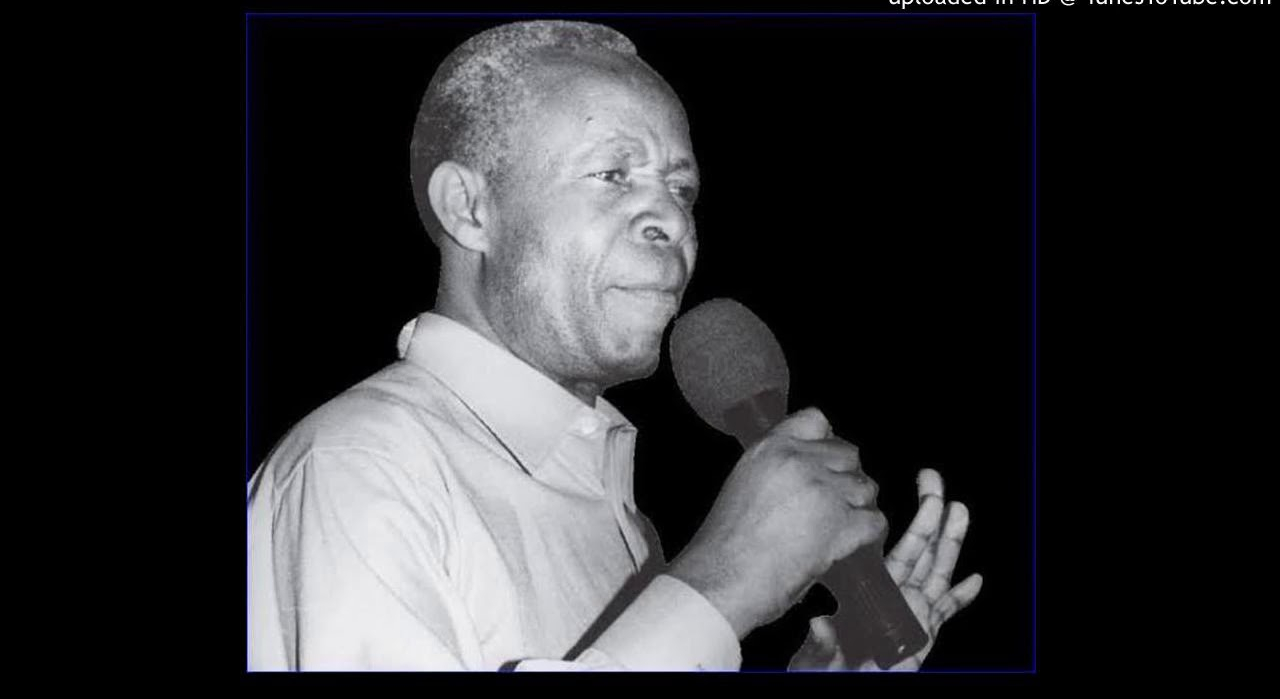
It is only fair to say that he’s one of the most graceful artistes we’ve ever seen on a Ugandan stage. Sixteen years since his death, Wamala’s timeless ballads still ooze from Uganda’s radio stations and younger musicians are always looking to sample his songs. Effortlessly, without breaking a sweat, he performed to large crowds who usually sang along. And he always dressed to the nines—to kill.
He’s known as the father of Uganda’s modern recording music industry. Rightfully so. Elly Wamala was one of Uganda’s first musicians to enjoy commercial success after releasing Nabutono in the 1950s. This was a smash Hit. The King of Buganda invited him on multiple occasions to perform at the palace. Despite being successful so early in his music career, he never released music for the sake of just selling it. He recorded less frequently than some of the other artistes of his time, yet every time he walked out of the studio, he’d leave a mark. He had so many hits, that his fans always referred to him as “evergreen”
How did this all start? A brief back ground.
Wamala dropped out of school to work at a music store in Kampala. He later relocated to Nairobi where he got a gig as a guitarist at HiFi, a recording studio. After a while he got a golden opportunity to lead the Sportsman ChaChaCha band, which was touring East Africa to promote Sportsman cigarettes. It was around this time that he wrote his first song—and hit, Nabutono, which went on to become became the first kadongo kamu song to be recorded on vinyl. He never looked back after this, producing a string of more hits and going on to form the Mascots, one of the most successful bands of the 80s.
According to web.archive.org, throughout his life, Wamala mentored upcoming artistes. This included were Philly Lutaaya and Moses Matovu—who went on to become legends in Uganda’s music industry.
In 2000, he underwent surgery and 52 weeks of chemotherapy, and immediately after treatment bounced back with the Ani Yali Amanyi album. which was a massive success too.
Elly Wamala might be gone, but his music lives on. Younger generations in Uganda sing along to his lyrics—and enjoy the nostalgia that comes with his raw voice. It is fair to say that he’s one of the most authentic, graceful and honest musicians we have ever had in Uganda.
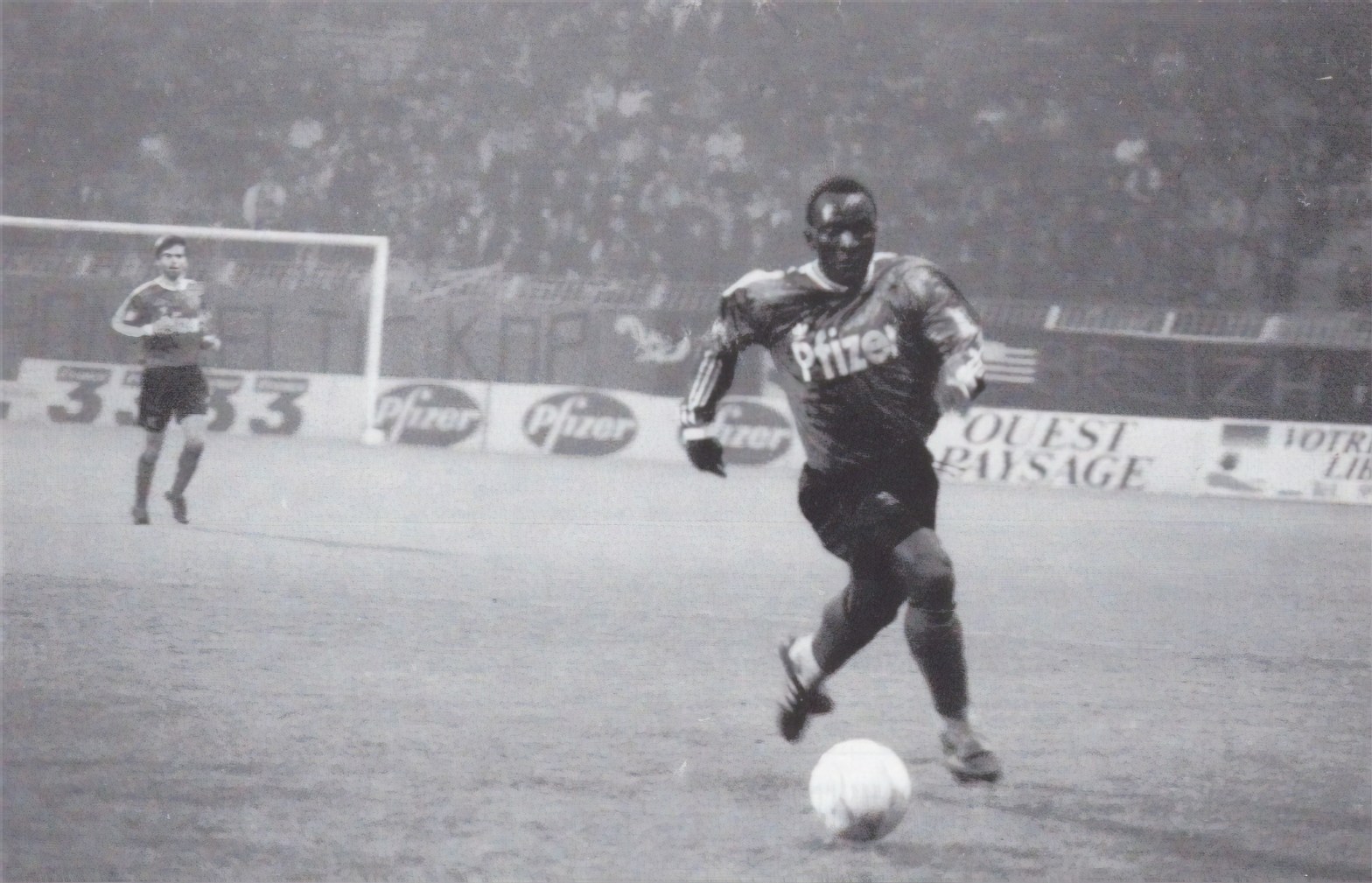
The first Ugandan footballer to sign for a European club. It doesn’t get better than that, does it? Majid Musisi nurtured his football career at the renowned Mulago playground, popularly known as ‘Maracana’ in reference to the famous Brazilian stadium.
Stocky, powerful and endowed with speed, Musisi rapidly stood out among his peers so much that in 1983 – at just 16 years – second-tier side Pepsi FC signed him up. He later abandoned studies to focus on football. SC Villa’s David Otti noticed Majid and quickly signed him up.
Majid’s breakthrough came in August 1985. Villa versus Express. With thousands of fans still forcing their way to enter Nakivubo stadium, Majid Musisi, scored two quick goals in the first four minutes to give SC Villa a 2–0 win over Express.
By 1987, the goals were pouring in. That season, playing in his favored central role, he scored eight times in the first six league games. He was later handed a national debut as a 20-year-old in July 1987 in a qualifier against Mozambique.
Alongside Phillip Omondi, Majid tore Mozambique apart scoring a brace. Later that year, Majid defied a Fufa directive and played for the Lugave clan in the Bika By’Abaganda football championship a few days before the crucial Olympic qualifier against Zambia. The federation suspended him but due to the public outcry, FUFA recalled him.
In 1992, Majid Musisi was on track to make light work of Jimmy Kirunda’s record of 32 goals a season when he netted a mindboggling 29 goals in the league’s first round. In his final league appearance, he tormented KCC goalie Sadiq Wassa to the extent that when he scored his fourth in the 5–0 win, he simply walked off the field as if to suggest that domestic opposition no longer matched his ambitions. Nevertheless, he extended his league tally to 144 goals.
It was a blessing in disguise when French side Stade Rennes signed the player for a whopping $180,000. Villa used part of that money to buy the Makindye-Luwafu club house.
Majid Musisi can best be described as an orthodox forward, one who makes scoring look easy. He was a natural finisher who got the best out of his physical presence. He was also a deadball specialist. On the other hand, he was a tireless workhorse with exceptional firepower; added to pace, good dribbling skills and a great aerial presence, he was the most difficult striker to mark.
At Rennes, Majid Musisi was a regular presence and scored a number of crucial goals. After spending two seasons with the Rennes in France where he played a total of 64 matches scoring 18 goals (League 2 and Coupe de France), he was sold to the Turkish top-flight club Bursaspor and later to Çanakkale Dardanelspor[8] for 1.8 billion Ugandan shillings transfer fee ($1 million), making a record in the transfer market for the most expensive Uganda import. In the 1996 season, he was voted Best Foreign Player of the Year in the Turkish league.
Majid Musisi returned to Uganda in 2001 and rejoined SC Villa. However, it was clear he was over the hill and failed to show the predatory skills of the past. He remained a key player for Uganda, captaining the side on several occasions and the highlight was a hat-trick in 1998 in the 5–0 win over Rwanda. However, he unceremoniously ended his Cranes career when Harrison Okagbue, the then coach threw him out of camp for breaching the team’s code of conduct in 2000.
In 2002, he joined Vietnamese side Da Nang but returned in 2004 and joined Ggaba United. There, he failed to get off the mark and called it a day.
This is an example post, originally published as part of Blogging University. Enroll in one of our ten programs, and start your blog right.
You’re going to publish a post today. Don’t worry about how your blog looks. Don’t worry if you haven’t given it a name yet, or you’re feeling overwhelmed. Just click the “New Post” button, and tell us why you’re here.
Why do this?
The post can be short or long, a personal intro to your life or a bloggy mission statement, a manifesto for the future or a simple outline of your the types of things you hope to publish.
To help you get started, here are a few questions:
You’re not locked into any of this; one of the wonderful things about blogs is how they constantly evolve as we learn, grow, and interact with one another — but it’s good to know where and why you started, and articulating your goals may just give you a few other post ideas.
Can’t think how to get started? Just write the first thing that pops into your head. Anne Lamott, author of a book on writing we love, says that you need to give yourself permission to write a “crappy first draft”. Anne makes a great point — just start writing, and worry about editing it later.
When you’re ready to publish, give your post three to five tags that describe your blog’s focus — writing, photography, fiction, parenting, food, cars, movies, sports, whatever. These tags will help others who care about your topics find you in the Reader. Make sure one of the tags is “zerotohero,” so other new bloggers can find you, too.

 Ugandan History.