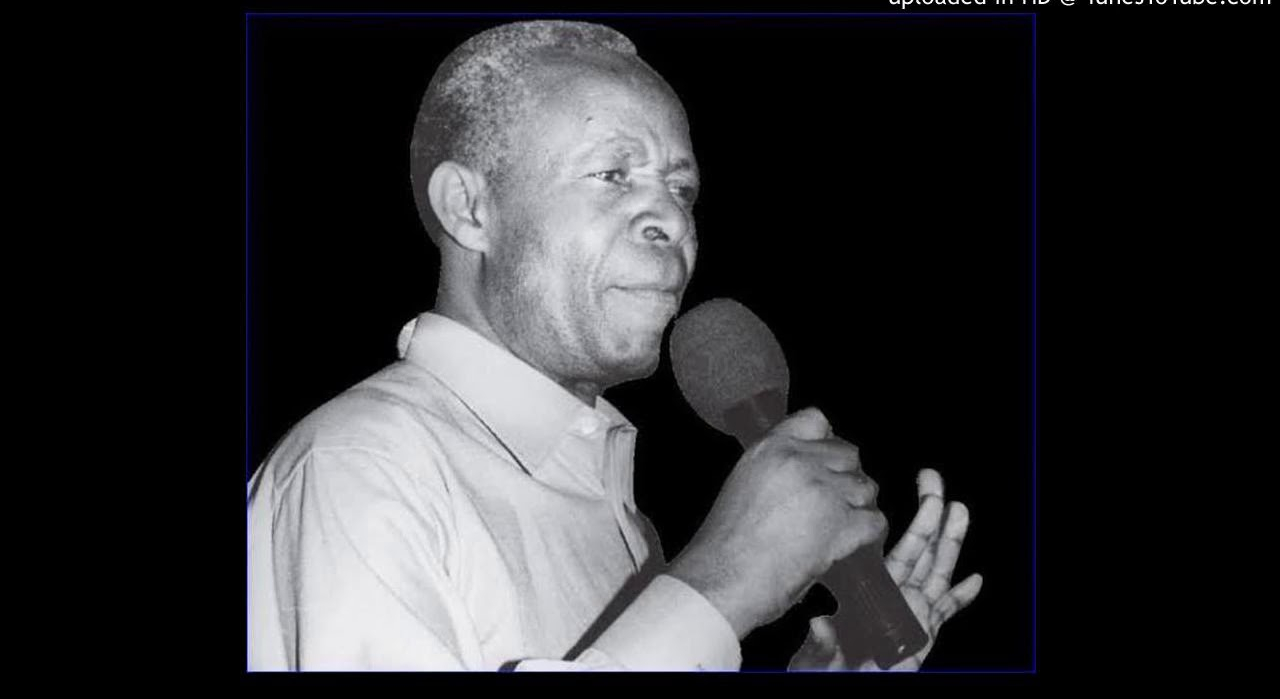
It is only fair to say that he’s one of the most graceful artistes we’ve ever seen on a Ugandan stage. Sixteen years since his death, Wamala’s timeless ballads still ooze from Uganda’s radio stations and younger musicians are always looking to sample his songs. Effortlessly, without breaking a sweat, he performed to large crowds who usually sang along. And he always dressed to the nines—to kill.
He’s known as the father of Uganda’s modern recording music industry. Rightfully so. Elly Wamala was one of Uganda’s first musicians to enjoy commercial success after releasing Nabutono in the 1950s. This was a smash Hit. The King of Buganda invited him on multiple occasions to perform at the palace. Despite being successful so early in his music career, he never released music for the sake of just selling it. He recorded less frequently than some of the other artistes of his time, yet every time he walked out of the studio, he’d leave a mark. He had so many hits, that his fans always referred to him as “evergreen”
How did this all start? A brief back ground.
Wamala dropped out of school to work at a music store in Kampala. He later relocated to Nairobi where he got a gig as a guitarist at HiFi, a recording studio. After a while he got a golden opportunity to lead the Sportsman ChaChaCha band, which was touring East Africa to promote Sportsman cigarettes. It was around this time that he wrote his first song—and hit, Nabutono, which went on to become became the first kadongo kamu song to be recorded on vinyl. He never looked back after this, producing a string of more hits and going on to form the Mascots, one of the most successful bands of the 80s.
According to web.archive.org, throughout his life, Wamala mentored upcoming artistes. This included were Philly Lutaaya and Moses Matovu—who went on to become legends in Uganda’s music industry.
In 2000, he underwent surgery and 52 weeks of chemotherapy, and immediately after treatment bounced back with the Ani Yali Amanyi album. which was a massive success too.
Elly Wamala might be gone, but his music lives on. Younger generations in Uganda sing along to his lyrics—and enjoy the nostalgia that comes with his raw voice. It is fair to say that he’s one of the most authentic, graceful and honest musicians we have ever had in Uganda.
 Ugandan History.